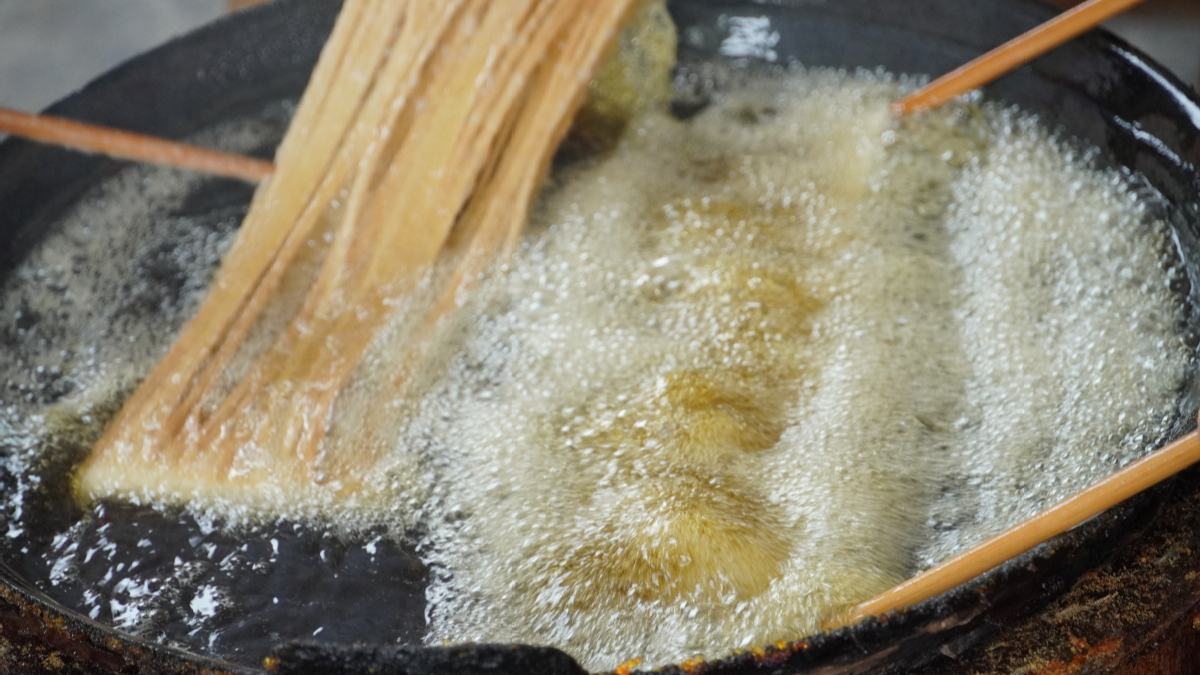
Chinese Cooking Technique: Deep-frying
Introduction
Deep-frying is a prominent cooking technique in Chinese cuisine, characterized by immersing food in hot oil to achieve a crispy exterior while maintaining a tender interior. This method is widely used across various regional cuisines in China, offering a distinct texture and enhancing the flavors of the ingredients. The popularity of deep-frying in Chinese cooking is attributed to its efficiency in cooking food quickly and its ability to retain the natural flavors and nutrients of the ingredients. Whether it's vegetables, meat, or seafood, deep-frying provides a versatile approach to preparing delicious dishes that are often celebrated for their crispiness and rich taste.
History
The technique of deep-frying has a long-standing history in Chinese culinary traditions. It is believed to have been influenced by trade and cultural exchanges along the Silk Road, where Chinese cooks adopted frying methods from other cultures and integrated them into local cooking practices. Over the centuries, deep-frying evolved into a sophisticated culinary method, with Chinese chefs mastering the balance of heat and timing to achieve the perfect texture. Historical records indicate that deep-frying became increasingly prevalent during the Tang Dynasty (618-907), a period known for its culinary innovations and expansion of food culture. As Chinese cuisine continued to diversify, deep-frying became an essential technique that contributed to the richness and variety of flavors in the culinary landscape.
Techniques
Temperature Control
Temperature control is a critical aspect of deep-frying and plays a significant role in determining the quality of the final dish. Maintaining the right oil temperature ensures that food cooks evenly and achieves the desired texture. Typically, the oil temperature for deep-frying ranges between 160°C to 200°C (320°F to 392°F). Too high a temperature may result in burnt food, while too low a temperature can lead to oily, soggy dishes. Chinese chefs often rely on experience to gauge the oil temperature, although modern kitchens may use thermometers for precision. Achieving the correct temperature is crucial for sealing in flavors and creating a crispy exterior.
Types of Oil
The choice of oil is another important factor in deep-frying. Different oils have varying smoke points and flavor profiles, which can influence the taste of the dish. In Chinese cooking, oils such as peanut oil, vegetable oil, and soybean oil are commonly used for deep-frying due to their high smoke points and neutral flavors. These oils allow the natural flavors of the ingredients to shine through without overpowering the dish. Additionally, the type of oil used can affect the healthiness of the dish, with some oils offering healthier profiles due to their composition of fats.
Culinary Applications
Popular Dishes
Deep-frying is employed in a wide array of popular Chinese dishes. Among these, spring rolls, sweet and sour pork, and sesame chicken stand out as quintessential examples of the technique. Spring rolls, filled with vegetables and sometimes meat, are wrapped in thin pastry and deep-fried to achieve a golden, crispy exterior. Sweet and sour pork features battered and deep-fried pork pieces coated in a tangy sauce. Sesame chicken, another favorite, involves deep-frying chicken pieces and tossing them in a sweet, savory sauce with sesame seeds. These dishes exemplify the appeal of deep-frying in creating texture and enhancing flavors.
Regional Variations
Deep-frying manifests in diverse ways across China's regional cuisines, each with its unique take on the technique. In Sichuan cuisine, for instance, deep-fried dishes are often accompanied by bold, spicy flavors, utilizing chili peppers and Sichuan peppercorns. In Cantonese cuisine, the emphasis is on light, crisp textures, often paired with delicate, subtly seasoned sauces. The Jiangsu and Zhejiang regions, known for their fresh and sweet flavors, often feature deep-fried fish and seafood, highlighting the natural taste of the main ingredients. These regional variations demonstrate the adaptability of deep-frying in catering to different taste preferences and culinary traditions.
Health Considerations
While deep-frying is celebrated for its ability to create delicious, crispy dishes, it also raises health considerations. The high caloric content and potential for unhealthy fats in deep-fried foods pose concerns for those mindful of their diet. To mitigate these effects, choosing oils with healthier fat compositions and ensuring proper temperature control can help reduce the absorption of oil during frying. Additionally, draining excess oil from deep-fried foods and balancing them with other cooking methods, such as steaming or stir-frying, can contribute to a more health-conscious approach to enjoying deep-fried dishes.
Cultural Significance
Deep-frying holds cultural significance in Chinese cuisine, often associated with special occasions and celebrations. It is a technique that embodies the joy and indulgence of enjoying rich, flavorful dishes with family and friends. Many traditional festivals, such as the Chinese New Year, feature an array of deep-fried snacks and dishes that symbolize prosperity and good fortune. The cultural importance of deep-frying is reflected in the meticulous preparation and presentation of these dishes, showcasing the skill and artistry of Chinese culinary traditions.








